


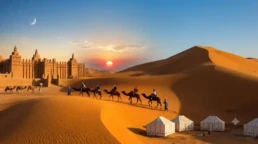
Marrakech and the Sahara: a journey of a thousand emotions
If you have ever dreamed of losing yourself among the vibrant colours of an ancient medina, walking across golden dunes at sunset, and falling asleep beneath a blanket of stars in the absolute silence of the desert, this is the moment to make that dream come true.
From October 23 to 28, we invite you to join an extraordinary adventure created exclusively by Redspezia: Marrakech and the Sahara, a unique journey designed for those who want to experience the most authentic soul of Morocco, travelling from the red hues of its historic cities to the gold of its timeless dunes.
The main stops on the itinerary
A carefully planned itinerary designed to offer the perfect blend of culture, breathtaking landscapes, and moments of magical relaxation:
- Marrakech (with a guided tour): Explore the bustling alleyways of the Medina, the scents of the souks, the historic palaces, and the magical atmosphere of Jemaa el-Fna Square.
- The Todra Gorges and the Valley of Roses: A natural spectacle of towering canyons and lush valleys.
- Ouarzazate and the Kasbah of Ait Ben Haddou: A journey through history and cinema, discovering the iconic UNESCO-listed fortified village.
- The Sahara Desert: An unforgettable camel ride, a spectacular sunset over the great dune, and a magical night in a luxury desert camp.
What the package includes
To ensure you can enjoy your journey with complete peace of mind, the price includes a comprehensive package of services:
- Private transfers to and from Marrakech and Errachidia airports.
- Accommodation: 3 nights in Marrakech, 1 night in Ouarzazate, and 1 night in a luxury desert camp with a private bathroom in the Sahara.
- Camel ride in the desert.
- Domestic flight included.
- Meals included: All breakfasts, 1 lunch, and 2 dinners.
- Dedicated tour leader available 24/7.
- Taxes included.
Information, Prices and Bookings
Price: €650 per person
Payment terms: €150 deposit upon booking | Balance due one month before departure
Required documents: A valid passport is mandatory.
International flights: A package including international flights is available upon request.

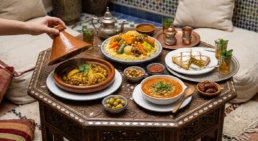
The Flavors of Morocco: 4 Must-Try Dishes You Can't Miss
Traveling to Morocco is not just an experience for the eyes, with its endless deserts, imperial cities, and colorful mosaic tiles. It is, above all, a journey for the palate. Moroccan cuisine is a magical blend of Berber, Arabic, and Andalusian influences, where spices are not used to make food hot, but to create harmonies of unforgettable flavors.
If you are planning your next trip with us at Maroccotour, here are the iconic dishes that will transform your holiday into a unique gastronomic experience.
The Tajine: The Undisputed King of the Table
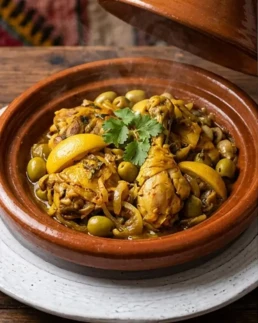
You can’t say you’ve visited Morocco without smelling a freshly opened Tajine. More than just a single dish, the tajine is a cooking method named after the typical earthenware pot with a cone-shaped lid.
Thanks to this unique shape, the steam rises, condenses, and falls back onto the food, making the meat so tender it melts in your mouth.
- The most popular variations: chicken tajine with preserved lemons and green olives, or the sweeter version with lamb, prunes, and toasted almonds.
- Fun fact: It is eaten strictly hot, dipping directly from the shared dish with the help of fresh bread (khobz).
The Couscous: The Friday Ritual
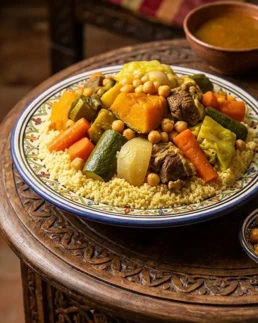
If the tajine is the daily king, couscous is the sacred dish of tradition. Made of fine grains of semola steamed for hours, it is traditionally served on Fridays (the Muslim holy day) after prayer, gathering whole families around a single large dish.
- How it’s made: The semolina is topped with a mountain of fresh vegetables (pumpkin, carrots, zucchini, turnips) and chicken or beef, all drizzled with a highly fragrant broth.
- The hidden gem: Try the Couscous Tfaya, a sweet and savory variation topped with caramelized onions, raisins, and a pinch of cinnamon. True poetry.
La Pastilla (Bastilla): The Sweet and Savory Masterpiece
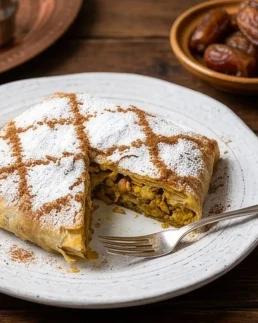
If you are looking for the dish that best represents the elegance of Moroccan cuisine, you have found it. The Pastilla is a treasure chest of paper-thin pastry (called warka) that encloses a contrast of flavors that will leave you speechless.
Traditionally prepared with pigeon meat (now more commonly replaced by chicken), it is enriched with chopped almonds, saffron, and eggs. The final magic? The top is dusted with powdered sugar and cinnamon. The first bite, suspended between sweet and savory, is an explosion of flavor that is impossible to resist.
La Harira: The Warming Heart of Morocco
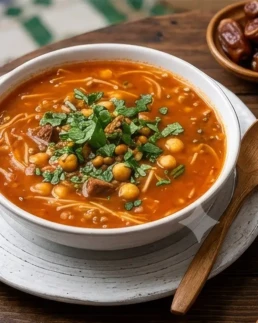
Often considered the national soup, Harira is a rich and nutritious dish made with a base of tomatoes, lentils, chickpeas, and meat (beef or lamb), scented with cilantro, parsley, and a shower of spices.
It is the symbolic dish of Ramadan, used to break the evening fast thanks to its incredible energy boost, but you will find it in markets and restaurants all year round. Pair it with local dates for a perfect contrast.
Our Tips for an Authentic Experience
To experience true Moroccan cuisine, avoid overly touristy restaurants. Immerse yourself in the alleys of the Medinas, follow the scent of spices, and look for small places frequented by locals. And, of course, never refuse a glass of mint tea (the “Berber whiskey“): it is the supreme symbol of Moroccan hospitality!
Yoga in the Moroccan Desert: a sensory journey from Marrakech to the dunes of Erg Chebbi
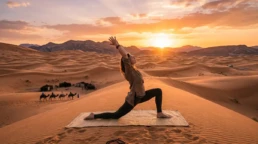
Morocco is not simply a destination, but a transformative experience. From October 7th to 14th, I invite you to unplug from the daily hustle and bustle to join a special journey: a path that will take us into the heart of the desert, starting from vibrant Marrakech, to rediscover a deep connection with ourselves through the practice of yoga.
If you feel the need to let your soul breathe, slow down the pace, and rediscover a sense of union and freedom, this is the itinerary you have been looking for.
The Beginning of the Journey: The Enchantment of Marrakech and the Embrace of the Atlas Mountains
Our journey will begin in the Medina of Marrakech. Long a crossroads of trade routes, cultures, and religions, this ancient city will welcome us with its overwhelming energy. Walking through its narrow alleys, immersed in an unforgettable mix of scents, colors, and people, we will begin to open ourselves to a different reality, letting go of old mental habits. Everything here blends and finds its place.
Leaving the Medina, we will set off toward the desert, crossing the majestic Atlas Mountain range. It is this very journey that will kickstart our transformation. The surrounding wild nature, with its landscapes shifting from gray to deep red, will guide us step by step, easing our return to our most natural and authentic self.
In the Heart of the Desert: Where Yoga Meets the Infinite
Once we arrive among the dunes, we will finally leave everything familiar behind. In the desert, time stands still: there are no deadlines, no performances to achieve. We will wake up to greet the sunrise and let ourselves be enchanted by the sunset, rediscovering the beauty of natural rhythms.
The heart of the experience will be practicing yoga among the dunes:
- Total Connection: Practicing with the sand beneath your hands and the infinite horizon before your eyes will immerse you in the perception of being at one with everything around you.
- Light Body and Breath: Freed from the pressures and expectations of daily life, your body will suddenly become softer, your muscles will relax, and your breath will finally become free.
- Union and Freedom: Together we will experience what it means to live in space and silence, bringing home a deep sense of inner peace.
Join us in October
I am truly happy to accompany you on this unique journey, designed for those who want to combine the cultural discovery of Morocco with a path of deep well-being.
The lands of Africa and the silence of the desert are waiting for us to remind us of who we are.
Traveling to Morocco in Summer
Summer is just around the corner, and many travelers are asking themselves the exact same question: “Can you travel to Morocco in June, July, and August without suffering too much from the heat?”.
The answer is absolutely yes. Although temperatures rise significantly in inland cities like Marrakech or in the Sahara Desert, Morocco is well-equipped for the sun. With the right precautions and a well-planned itinerary, your summer adventure will be unforgettable.
Here are 5 practical tips to make the most of your tour.
1. Follow the Local Rhythm: The Midday Rule
In imperial cities like Marrakech or Fez, summer doesn’t stop life; it simply shifts its schedule. Do as the locals do:
- Early Morning: Dedicate the first hours of the day (from 8:00 AM to 11:00 AM) to open-air monumental visits, such as historic palaces or gardens (Jardin Majorelle in Marrakech, for example, is perfect in the morning).
- The “Riad Break”: During the central hours of the day (from 12:00 PM to 4:00 PM), when the sun is at its peak, treat yourself to a break. This is the perfect time to relax in the cool patio of your Riad, perhaps taking a dip in the pool or enjoying lunch in the shade.
- The Evening Rebirth: After 5:00 PM, the air cools down and the cities come alive. Jemaa el-Fna Square in Marrakech is at its best right at sunset, when it fills with stalls, scents, and performances.
2. Choose the Right Fabrics (and Respect the Culture)
Ditch synthetic fabrics. For the Moroccan climate, your number one ally is linen or lightweight cotton.
- Wear loose, breathable clothing that covers your shoulders and knees. Not only will you be respectful of the local culture, but you will also protect yourself much better from the sun’s rays compared to wearing shorts and tank tops.
- Don’t forget a wide-brimmed hat, sunglasses, and a lightweight cotton scarf (a pashmina), which is incredibly useful both for protecting your neck from the sun and for the air conditioning in vehicles.
3. Integrate the Atlantic Coast into Your Itinerary
If you are traveling to Morocco at the beginning of summer, the secret to a perfect itinerary is balance. Make sure your tour includes stops along the Atlantic coast. Cities like Essaouira and Agadir enjoy an ocean breeze all year round, with temperatures in June rarely exceeding 25–28°C. Spending a few days here after visiting the interior will allow you to completely recharge.
4. How to Experience the Desert in Summer
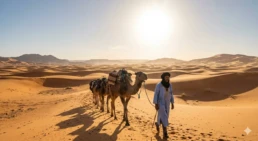
Can you visit the Sahara in summer? Yes, but with the right logistics. Our tours are designed to bring you to the gateway of the Merzouga dunes in the late afternoon, when the sun is setting and the sand begins to cool down. The night in the desert holds a surprise: the summer temperature drop is extremely pleasant, and sleeping under the stars, with the clean air of the Sahara, is an experience that remains unaffected by the daytime heat.
5. Smart Hydration and Nutrition
“Berber Whisky” (the typical hot mint tea) is a natural thermoregulator, but during the day, bottled water must be your best friend. Avoid ice-cold drinks which can cause thermal shock, and opt for fresh, local summer cuisine instead. Fresh Moroccan salads (made with tomatoes, cucumbers, and peppers) and vegetable tajines are light and easy to digest.
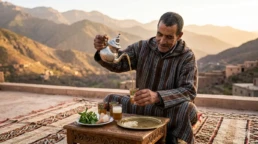
The Secret of "Berber Whisky": The History and Ritual of Moroccan Mint Tea
An Ironical Name, a Deep Symbol
If you travel to Morocco, the first thing you will be offered isn’t a key or a seat, but a glass of steaming hot tea. Often jokingly referred to as “Berber Whisky” because of its amber hue and its role as the primary (and strictly non-alcoholic) “toast” for any occasion, mint tea is the social glue of the country. From the peaks of the Atlas Mountains to the golden dunes of Merzouga, every cup tells a story of brotherhood and the luxury of slowing down.
The Art of Preparation: A Sacred Process
Preparing authentic Moroccan tea is not a hurried task. It requires patience and a specific sequence of gestures that constitute a true Maghrebi tea ceremony:
- The Rinsing: Green tea (typically the Gunpowder variety) is placed in the teapot with a small amount of boiling water to “wake up” the leaves and rinse away impurities. This first infusion, dark and bitter, is often discarded.
- The Union: Fresh, fragrant sprigs of mint (Nana) are added, followed by boiling water and a generous amount of sugar. In rural areas, you might still see sugar being broken directly from large, hard sugar cones.
- The Aeration: This is the most iconic moment. The tea is poured from the pot into the glass and then back into the pot two or three times. This process dissolves the sugar and creates the signature foam (la corona), which oxygenates the drink and showcases the host’s skill.
The Rule of Three
There is a famous Berber proverb that perfectly describes the evolving intensity of the tea you will drink:
“The first glass is as sweet as life. The second is as strong as love. The third is as bitter as death.”
Never rush away after the first sip. Accepting the second and third glass is a sign of great respect toward your host.
Health Benefits and Curiosities
Beyond its incredible flavor, mint tea is an excellent digestive and a natural temperature regulator. Paradoxically, drinking a hot beverage in the heart of the desert helps the body feel cooler than an ice-cold drink would. If you find yourself in southern Morocco during the winter, you might taste the “desert variant,” where other herbs like wormwood (Sheba) are added to provide warmth and protection against the cold.
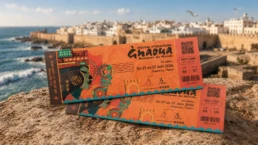
Gnaoua Festival 2026 in Essaouira: A Guide to the "African Woodstock" of Ancestral Rhythms and Fusion
The Soul of Essaouira Vibrates Once Again Every year, the blue and white walls of Essaouira stop being just a postcard-perfect backdrop and transform into the heartbeat of Morocco. The 2026 Gnaoua and World Music Festival is not merely a musical event; it is a spiritual and artistic pilgrimage. Originally born to celebrate the music of enslaved people from sub-Saharan Africa, this festival has become a global meeting point where jazz, blues, and rock engage in a dialogue with the metallic clatter of krakebs (iron castanets).
The Magic of Maâlem and Fusion
The heart of the festival are the Maâlem, the master ceremonialists. Seeing them on stage in their embroidered robes and feathered headdresses while playing the guembri (a three-stringed lute with a deep, percussive sound) is a mesmerizing experience.
- The Main Stages: The primary venues, such as Place Moulay Hassan, host grand international “fusions.” Here, you might see a New York jazz saxophonist improvising over a pentatonic Gnaoua scale.
- Intimate Lilas: For purists, the true festival happens after midnight in the city’s historic sanctuaries (Zaouias). These “Lilas” are nocturnal healing and trance ceremonies, where the music serves to connect the soul with the divine.
Planning for travel in 2026
The festival attracts more than 300,000 people each year, making Essaouira vibrant but crowded.
- Where to Stay: Riads within the Medina offer the best atmosphere, but if you seek tranquility, opt for a Maison d’Hôtes in the surrounding countryside (about 15-20 minutes by car).
- Between Concerts: Take advantage of the constant trade winds for a kitesurfing lesson, or lose yourself in the city’s design district, where local craftsmanship is undergoing a modern renaissance.
Security and Logistics
The festival is free for most outdoor concerts, but there are VIP passes for access to the under-stage areas and the more exclusive acoustic concerts.
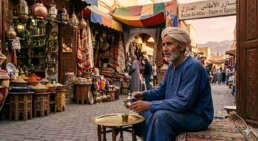
Berber Culture in Morocco: Authentic Tours to Discover the Amazigh
Who Are the Berbers (Amazigh) of Morocco?
History and identity of a thousand-year-old people
The Berbers, or Amazigh, are one of the oldest peoples of North Africa. Their culture is deeply connected to life in the mountains, villages, and desert, preserving languages, traditions, and values passed down through generations. With Maroccotour’s tours, you can discover the real Berber Morocco and enjoy authentic experiences in close contact with the local people.
Berber language and alphabets: Tamazight and Tifinagh
Learn Amazigh culture words during your trip
The Tamazight language and the Tifinagh script tell stories with deep meanings. On our tours, you can listen to the villagers’ stories, understand the significance of local expressions, and immerse yourself in a living linguistic culture that still shapes daily life today.
Berber Village Tours: Authentic Experiences
Walks, stays and cultural encounters with the Berbers
- Night in the desert with Berber families – Experience daily life, enjoy mint tea, and listen to stories around the fire.
- Trekking in the Atlas Mountains – Meet artisans, observe carpet weaving, and discover traditional techniques.
- Local Markets and Festivals – Experience cultural events that showcase the true Amazigh spirit.
Each tour is designed to let you experience Berber culture firsthand, not just observe it.
Berber Music, Dance and Traditions
Discover the emotions of Amazigh culture through sounds and movements.
Berber music accompanies rituals and celebrations, with traditional instruments such as the bendir and the ghaita. Collective dances like ahidous and ahwash reflect community life and ancestral values—experiences you can directly enjoy on our cultural tours.
Berber Art and Crafts: Carpets, Jewelry, and Symbols
A unique artistic heritage to explore in the Berber villages
Berber rugs, silver jewelry, and traditional ceramics are expressions of identity and symbolism. On our itineraries, you’ll have the opportunity to meet local artisans and discover how these creations tell stories of tribes and legends.
Hospitality and Traditional Berber Cuisine
Mint tea, couscous, and tagine in Amazigh villages
Berber hospitality is an experience to cherish: sharing a meal or a mint tea is a profound gesture of welcome. On Maroccotour’s tours, you can enjoy traditional dishes made with fresh ingredients and discover the rituals that accompany each gathering.
Amazigh Festivals and Celebrations Not to Miss
Yennayer, Imilchil Festival and other cultural experiences
- Yennayer – Amazigh New Year, a time of celebration and agricultural tradition.
- Imilchil Festival – Wedding celebrations and community gatherings.
Joining these celebrations with Maroccotour’s tours means experiencing unique and immersive events, far from the standard tourist circuits.
Why Choose a Berber Cultural Tour with Maroccotour?
Authentic experiences, local guides and personalized itineraries
- Customizable tours according to interests and time available
- Authentic encounters with Berber families, artisans, and communities
- Expert local guides who explain history, traditions and symbols
- Real immersion in Amazigh culture, beyond the simple scenic journey
Traveling with Maroccotour means discovering the heart of Morocco, immersing yourself in the life of Berber communities, and taking home an unforgettable experience.

The Charm of Atlantic Morocco: between the walls of Essaouira and the cliffs of Legzira
Morocco is not just the red of the Sahara dunes or the bustle of the souks in Marrakech. There is a fresher, wilder, and more refreshing side: Western Morocco. Affacciata sull’Oceano Atlantico, questa regione offre paesaggi drammatici, riserve naturali uniche e città dove il tempo sembra essersi fermato.
If you’re looking for an experience that combines adventure and relaxation, our coastal tours will take you to discover three absolute gems: Souss Massa National Park, the magical Essaouira, and the iconic Legzira Beach.
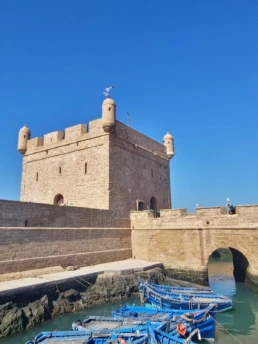
Essaouira: The "Bride of the Atlantic"
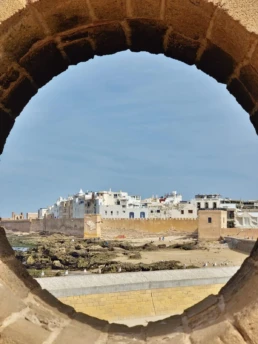
We begin our journey in Essaouira, the ancient Mogador. This fortified city, a UNESCO World Heritage Site, captivates at first sight with its white and blue walls contrasting against the deep blue of the ocean.
- Things to do: Stroll along the Skala de la Kasbah, watch the fishermen returning to the port with their blue boats, and get lost in the Medina’s alleys, famous for its thuya wood craftsmanship.
- The atmosphere: Unlike the other imperial cities, Essaouira enjoys a breezy climate (thanks to the trade winds) and a relaxed vibe, perfect for enjoying a meal of freshly grilled fish right at the port.
Souss Massa National Park: A Paradise for Biodiversity
Heading south, nature takes over. Souss Massa National Park is a must-visit for eco-tourism enthusiasts. Situata tra Agadir e Tiznit, questa riserva protegge uno degli habitat più rari al mondo.
- Exceptional birdwatching: Here lives the last viable population of the Northern Bald Ibis, a very rare bird that nests on the cliffs. But not only that: among the dunes and river estuaries you can spot flamingos, gazelles, and even North African ostriches, along with other unique species such as the rare Northern Bald Ibis that nests on the park’s cliffs. (nationalparksassociation.org)
- Landscape: An incredible mix of steppes, coastal dunes, and deserted beaches that offers a profound sense of peace, far from the crowds of mass tourism.
Legzira: Where the Land Meets the Ocean
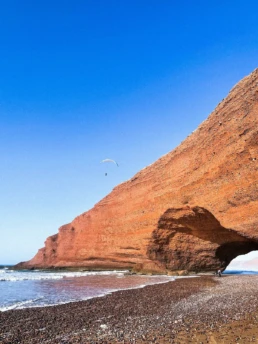
Continuing further south, we reach what is considered one of the most photogenic spots in all of Africa: Legzira Beach.
Famous for its majestic natural red rock arches carved by the sea, Legzira offers a truly unique visual spectacle, especially at sunset, when the light sets the stone ablaze, giving the landscape an almost otherworldly, Martian appearance.
- Why visit: It’s the perfect place for a rejuvenating walk along the shoreline, listening to the roar of the Atlantic waves crashing against the cliffs. A moment of deep connection with the power of nature.
Why choose a tour along Morocco’s Atlantic Coast?
Choosing an itinerary that touches western Morocco means discovering a more authentic and less crowded side of the country. It’s the perfect trip for those who love:
- Natural landscapes and photography.
- The climate is mild all year round.
- Coastal Berber culture and maritime traditions.
Do you want to experience this dream?
At Maroccotour.com, we have designed exclusive itineraries that include these enchanting stops, ensuring expert guides and comfort throughout the journey.
Easter in the Desert: An Unforgettable Adventure in the Dunes of Morocco
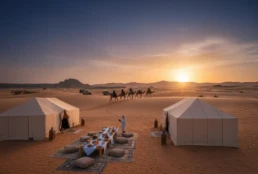
This year, forget the usual Easter traditions and get ready to experience a journey that will change your life. From April 2 to 9, 2026, we invite you to join us for an extraordinary journey: “Easter in the Desert“, a unique adventure in the heart of Morocco, where the magic of the desert meets the vibrant culture of the imperial cities.
Imagine waking up under an endless starry sky, crossing golden dunes in a 4×4, and immersing yourself in the exotic colors and scents of Marrakech. All this and much more awaits you on a tour designed to offer the perfect blend of comfort and authenticity.
What awaits you on this incredible adventure?
- A Carefree Journey: Forget the stress of planning! We’ll take care of everything, from your arrival at the airport with a dedicated transfer to all your movements with a private minivan at your disposal.
- Dream Stays: You’ll stay in charming riads, the traditional Moroccan homes, where you can enjoy delicious breakfasts every morning, fully immersing yourself in the unique atmosphere of these places.
- Sapori Autentici: Ogni sera, il tour ti regalerà cene indimenticabili, un'occasione perfetta per scoprire la ricchezza e la varietà della cucina marocchina. And that’s not all: you’ll experience the thrill of a night in a desert tent camp, with a traditional Berber dinner that will leave you breathless.
- Thrilling Explorations: The adventure comes alive with an exciting 4x4 excursion across the dunes, where you can admire breathtaking landscapes and discover hidden corners of the desert.
- The Charm of Marrakech: We’ll spend time exploring Marrakech, the "Red City," where you can get lost in the colorful souks, admire the opulent palaces, and be enchanted by the lively Jemaa el-Fna square.
- All Inclusive: The price of €790 already includes all taxes, ensuring maximum transparency and peace of mind.
Don’t miss the chance to experience a truly special Easter. This tour is the perfect opportunity for those seeking an authentic experience, adventure, and relaxation, all wrapped in the mysterious charm of the Moroccan desert.
Limited places available! Book your Easter in the Desert now and get ready to create unforgettable memories.
Ramadan in Morocco
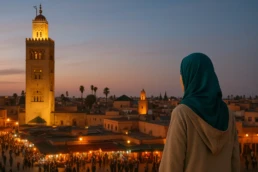
Ramadan in Morocco is a unique experience that blends spirituality, community, and tradition. It is the sacred month of Islam, dedicated to fasting, prayer, and inner reflection. From dawn to sunset, the faithful abstain from food, drink, and everyday habits to strengthen their faith and show solidarity with those in need.
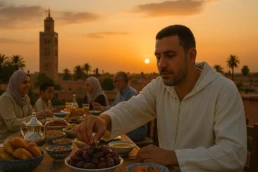
During Ramadan, Moroccan cities change their rhythm: the days pass quietly, but at sunset everything comes alive with the aroma of traditional dishes and the joy of sharing. Families gather for iftar, the evening meal that breaks the fast, typically featuring harira (a tomato and lentil soup), dates, honey sweets, and mint tea.
For travelers, Ramadan offers the opportunity to discover the most authentic side of Moroccan culture. It is a time of great hospitality, respect, and spirituality. However, it is important to observe a few courtesy rules, such as avoiding eating or drinking in public during the day.
Feast that Breaks the Fast (Eid Al-Fitr)
Eid al‑Fitr, also called the festival of breaking the fast, is one of the most anticipated and joyful celebrations of the year in Morocco, marking the end of the holy month of Ramadan. It marks the end of the sacred month of Ramadan and the beginning of a period of celebration, gratitude, and sharing.
The day begins with a large collective prayer in mosques and public squares, followed by visits to relatives and well-wishes for peace and prosperity. Families wear new clothes, children receive gifts, and feasts are prepared featuring traditional sweets such as chebakia, sellou, and briouates.
Eid al-Fitr is also a time of solidarity: before the prayer, every Muslim gives Zakat al-Fitr, a contribution of money or food for those in need. This gesture purifies the fast and symbolizes the unity of the community.
For those visiting Morocco during this time, it’s an extraordinary opportunity to experience the collective joy and Moroccan hospitality, surrounded by the aromas of spices, smiles, and street celebrations.
Feast of Sacrifice (Eid Al-Adha)
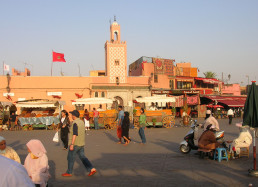
The Feast of Sacrifice, known as Eid al-Adha or Eid al-Kabir, is the most important celebration in the Islamic calendar. In Morocco it commemorates the sacrifice of Abraham (Ibrahim), a symbol of faith and obedience to God.
Moroccan families prepare days in advance, purchasing a ram or sheep, which is then sacrificed according to Islamic ritual. The meat is then shared among relatives, neighbors, and people in need, as a gesture of solidarity and generosity.
During Eid al-Adha, cities are filled with a festive atmosphere: people wear new clothes, attend the morning collective prayer, and spend the day visiting family and enjoying meals rich in traditional flavors, such as lamb tagine with prunes or Friday couscous.
For those visiting Morocco during this period, it’s an opportunity to immerse themselves in the heart of the culture and understand the importance of the values of respect and sharing that guide everyday Moroccan life.